
What New York’s Paid Prenatal Leave Law Means for Pregnant Workers
If you are pregnant and working in New York, you now have a powerful legal right no other state offers. Since January 1, 2025, NY Labor Law § 196-b requires every private-sector employer to provide 20 hours of paid prenatal leave within each 52-week period. This benefit exists on top of your regular sick leave, and you need no waiting period. Whether you work full-time, part-time, or just started, you are entitled to this leave from day one.
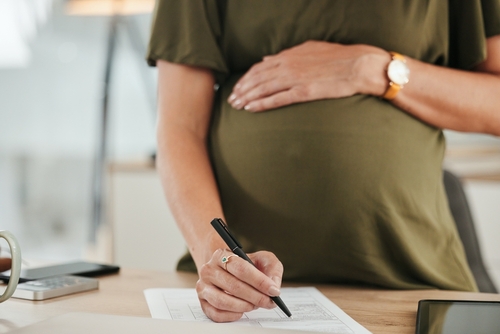
How the 20 Hours Prenatal Leave Law Works in New York
New York became the first state to mandate paid prenatal leave when the amended Labor Law § 196-b took effect on January 1, 2025. The law requires all private-sector employers to provide 20 hours of paid prenatal leave within each 52-week period, measured from when an employee first uses the leave. This leave covers health care services received during pregnancy, including physical examinations, medical procedures, monitoring, testing, and discussions with a health care provider. The statute uses the term “paid prenatal personal leave” to describe this protected time. Only the employee personally receiving prenatal health care may use this leave; it is not available to spouses or partners attending appointments, and may not be used for postpartum care.
One of the most employee-friendly features is that it requires no waiting period. Unlike many leave benefits requiring months of employment before eligibility, paid prenatal leave in New York requires no accrued hours or minimum time worked. A newly hired part-time employee has the same right to 20 hours as a long-tenured full-time worker.
💡 Pro Tip: Keep a record of every prenatal appointment, including date, time away from work, and whether your employer approved or denied leave. This documentation can be critical if you need to prove interference or retaliation.
Prenatal Leave Is Separate From Your Sick Leave
Your 20 hours of paid prenatal leave exist entirely apart from your accrued sick leave. Under § 196-b, employers must already provide either 40 or 56 hours of sick leave depending on size. The prenatal leave benefit is an additional 20 hours. Your employer cannot force you to use your sick leave bank for prenatal appointments.
Leave Type | Hours Provided | Accrual Required? | Who Qualifies |
|---|---|---|---|
Accrued Sick Leave (5, 99 employees) | Up to 40 hours (paid) | Yes | All employees |
Accrued Sick Leave (100+ employees) | Up to 56 hours (paid) | Yes | All employees |
Paid Prenatal Leave | 20 hours | No | Pregnant employees receiving prenatal care |
💡 Pro Tip: If your employer tells you to “just use your sick days” for prenatal visits, that may violate the law. Prenatal leave is separate, and you can preserve your sick leave for other purposes.
Your Privacy Rights Under the Prenatal Leave Law
You do not need to share medical details with your employer to use prenatal leave. According to official state guidance, employees need not provide any personal or confidential health information about prenatal appointments. Your employer cannot require disclosure of medical records as a condition of granting leave. Note that New York City employers may request reasonable written documentation from a health care provider if your absence exceeds three consecutive workdays. This protection helps ensure pregnant workers can attend necessary appointments without invasive questioning.
Retaliation for exercising your prenatal leave rights is prohibited. If your employer disciplines you, reduces your hours, demotes you, or terminates you because you requested or used prenatal leave, that may violate both the prenatal leave statute and broader pregnancy discrimination protections.
What Counts as a Covered Prenatal Appointment
The law defines covered health care services broadly. Paid prenatal personal leave applies to physical examinations, medical procedures, monitoring and testing, and discussions with a health care provider related to your pregnancy. Routine checkups, ultrasounds, blood work, consultations about pregnancy complications, and similar appointments all fall within the scope. If the visit relates to your pregnancy or health care services you receive during it, you are generally entitled to use your prenatal leave hours. However, postpartum care appointments are not covered.
💡 Pro Tip: If you are unsure whether an appointment qualifies, use your prenatal leave. The statutory language is intentionally broad, and a pregnancy discrimination lawyer in NYC can help clarify your rights.
Employer Obligations and Consequences for Non-Compliance
Employers in New York face real legal consequences for failing to comply with the prenatal leave mandate. Under state labor law, failure to provide required leave benefits is treated as failure to pay wages, which can subject employers to liability for unpaid wages, liquidated damages, and civil penalties. Employers who deny prenatal leave or retaliate may face complaints filed with the New York State Department of Labor’s Division of Labor Standards. In New York City, the Department of Consumer and Worker Protection can investigate violations under the amended Earned Safe and Sick Time Act rules, which incorporate the state prenatal leave requirements.
New York law also requires employers to inform workers of their rights. Under NY Labor Law § 196-b, all private-sector employers must provide employees with 20 hours of paid prenatal leave per 52-week period. While § 196-b does not include a standalone written-notice mandate at the state level, the New York State Department of Labor encourages employers to communicate leave request procedures. New York City employers are separately required under the Department of Consumer and Worker Protection’s amended ESSTA Rules (effective July 2, 2025) to maintain and distribute a written paid prenatal leave policy and to post the updated Notice of Employee Rights. Note that NY Labor Law § 691 applies only to licensed employment agencies placing domestic workers and household employees, not to employers generally. Ignorance of the law is not a defense.
Workplace Posting and Notice Requirements
Covered employers should ensure their workplace notices reflect the paid prenatal leave entitlement. While the state prenatal leave law under Labor Law § 196-b does not include a standalone posting mandate, employers are expected to keep workers informed as part of broader compliance obligations. In New York City, updated ESSTA rules effective July 2, 2025, require employers to post the Department of Consumer and Worker Protection’s updated Notice of Employee Rights, which includes paid prenatal leave information.
💡 Pro Tip: Take a photo of your workplace’s posted leave notices (or note their absence). If you need to demonstrate that your employer failed to inform you of your rights, this evidence can strengthen your case.
Why a Pregnancy Discrimination Lawyer in New York Matters
Even with strong statutory protections, many pregnant workers face pushback when exercising their rights. Some employers may discourage prenatal leave requests through informal pressure, scheduling penalties, or veiled threats. Others may refuse to acknowledge the law exists. In these situations, legal guidance from an attorney experienced in pregnancy rights New York City cases can help you protect yourself.
The prenatal leave law under Labor Law § 196-b applies to all private-sector employers regardless of size. Additionally, New York’s pregnancy discrimination protections under the Human Rights Law cover private companies and state and local government entities. The prenatal leave law extends New York’s public policy promoting safe workplace conditions and preventive health measures. For more detail on how these protections apply, review our guide on your legal rights under New York’s prenatal leave law.
💡 Pro Tip: If you believe your employer retaliated for using prenatal leave, write down exactly what happened as soon as possible, including dates, names, and witnesses. Contemporaneous notes carry significant weight in employment cases.
Frequently Asked Questions
1. Do I need to work a certain number of hours or months before I can use paid prenatal leave?
No waiting period or accrual is required.
The law entitles all pregnant employees to the full 20 hours of paid prenatal leave immediately upon employment. There is no minimum hours worked or length of service required. Part-time, full-time, and newly hired workers all qualify from day one.
2. Can my employer ask for a doctor’s note or medical records to approve my prenatal leave?
Your employer cannot require disclosure of confidential medical details as a condition of granting leave.
Under the law and official guidance, you need not provide any personal or confidential information about your health or prenatal appointments. Your employer cannot condition leave on producing medical records. However, if you work in New York City and your absence exceeds three consecutive workdays, your employer may request reasonable written documentation from a health care provider confirming the need for leave, though not specific details.
3. What should I do if my employer denies my prenatal leave request?
Document the denial and seek legal guidance promptly.
If your employer refuses to grant prenatal leave, record the denial details in writing, including dates, who you spoke with, and what was said. Employers who deny lawful prenatal leave may face liability for unpaid wages, liquidated damages, and civil penalties through the New York State Department of Labor. Consulting an employment law attorney experienced in pregnancy accommodation New York cases can help you understand next steps.
4. Is my prenatal leave the same as my sick leave?
No, prenatal leave is a completely separate benefit.
Your 20 hours of paid prenatal leave exist in addition to the 40 or 56 hours of accrued sick leave your employer must provide under § 196-b. Your employer cannot require you to exhaust sick leave before using prenatal leave.
5. Does this law apply to government employees and small businesses?
The prenatal leave mandate covers all private-sector employers regardless of size, but government employees are not covered.
Under NY Labor Law § 196-b, every private-sector employer in New York State must provide 20 hours of paid prenatal leave. This includes all business sizes, from sole proprietorships to large corporations. However, federal, state, and local government employees are not covered by § 196-b prenatal leave provisions. Government employees should verify whether similar benefits exist under civil service rules, collective bargaining agreements, or agency policies. Separately, New York’s pregnancy discrimination protections under the Human Rights Law apply broadly across private and public employers.
Protecting Your Pregnancy Rights at Work
New York’s 20-hour paid prenatal leave law represents a significant step forward for pregnant workers across the state. It provides immediate, no-strings-attached access to paid time off for essential prenatal care, with strong privacy protections and anti-retaliation safeguards. But knowing your rights is only the first step. If your employer has failed to provide your prenatal leave, pressured you to disclose medical information, or taken adverse action against you for attending a prenatal appointment, you may have a valid legal claim.
