
Understanding Your Rights as a Pregnant Worker in Melville
Key Takeaways: Pregnant employees in New York can request reasonable accommodations under the federal Pregnant Workers Fairness Act (PWFA), which requires covered employers to adjust jobs for known pregnancy-related limitations unless causing undue hardship. Common accommodations include breaks, modified schedules, medical leave, light duty, and transfers from hazardous tasks. New York State law reinforces these rights, guaranteeing accommodations since 2016, limiting forced leave, and protecting job security. Additional protections cover breastfeeding (paid nursing breaks) and prenatal care (20 hours paid prenatal leave as of 2025). Multiple laws may apply simultaneously. Denied accommodations can be reported to the New York State Division of Human Rights.
Pregnant employees in New York can request accommodations that allow them to work safely through pregnancy, childbirth, and recovery. Under the federal Pregnant Workers Fairness Act (PWFA), covered employers, generally those with at least 15 employees, must provide reasonable adjustments for known pregnancy-related limitations. The Pregnant Workers Fairness Act requires a covered employer to provide a reasonable accommodation to a qualified employee’s or applicant’s known limitations related to, affected by, or arising out of pregnancy, childbirth, or related medical conditions, unless the accommodation will cause the employer an undue hardship. This protection, combined with strong New York State law, gives Melville workers meaningful tools to avoid being pushed out of jobs.
What the PWFA Requires of Employers
The PWFA focuses specifically on accommodations rather than hiring or firing decisions. The PWFA applies only to accommodations, while other laws that the EEOC enforces make it illegal to fire or otherwise discriminate against employees or applicants on the basis of pregnancy, childbirth, or related medical conditions. Your right to accommodation exists independently of separate protections against termination or job refusal.
One important feature is its recognition that pregnancy is time-bound. The law covers workers temporarily unable to perform certain duties. According to Harvard Law Review analysis, the PWFA covers “workers who are temporarily unable to perform the essential duties of their jobs,” and this inclusion should reach nearly all pregnant workers who could perform duties before pregnancy.
Key timeline details: The PWFA went into effect on June 27, 2023, the EEOC issued its final regulation on April 15, 2024, and that regulation went into effect on June 18, 2024. The implementing rule is codified at 29 C.F.R. pt. 1636. Courts may consider both agency regulations and the statute when evaluating claims.
Common Accommodations New Yorkers Can Request
Reasonable accommodations under the PWFA and New York law take many practical forms. Since January 2016, New York law explicitly guarantees pregnant workers the right to reasonable accommodations, including:
Occasional breaks to rest or drink water
Modified work schedules
Leave for pregnancy-related medical needs
Available light duty assignments
Transfers away from hazardous duties
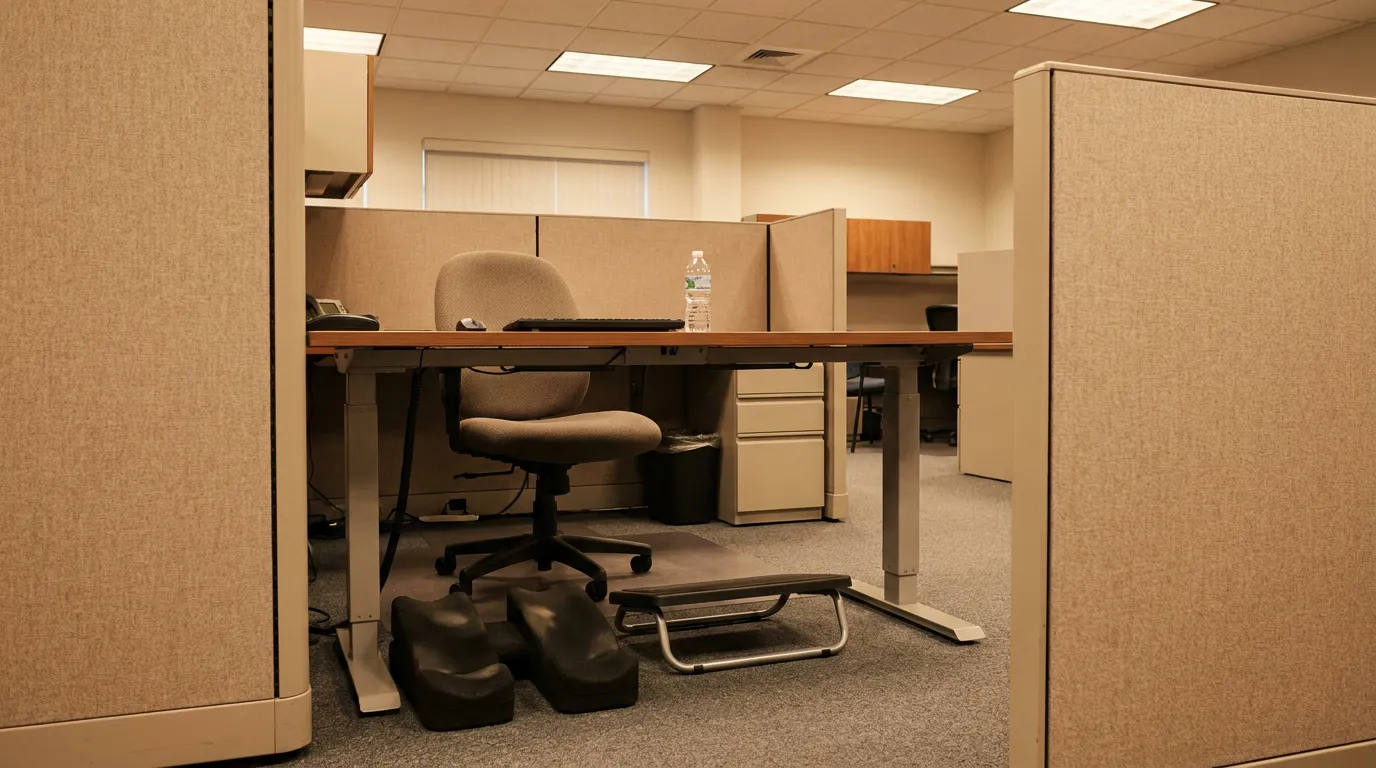
Not every request is automatically granted. The PWFA requires accommodations unless causing undue hardship, a fact-specific standard evaluated case by case. Adjustments like additional breaks or a stool are typically low-cost and unlikely to meet that threshold, but analysis varies by employer size, resources, and operations.
💡 Pro Tip: Put accommodation requests in writing and keep copies. Clear documentation of what you requested, when, and your employer’s response can be valuable if disputes arise.
How New York Law Reinforces Pregnancy Protections
New York State law offers protections that in some respects exceed federal law. Importantly, the PWFA does not replace stronger protections that already exist. The PWFA does not replace federal, state, or local laws that are more protective of workers, and more than 30 states and cities have laws that require employers to provide accommodations for pregnant workers. For New Yorkers, whether working in New York City, on Long Island, or throughout mainland New York, New York’s Human Rights Law may provide additional relief avenues.
New York limits an employer’s ability to force pregnant employees onto leave. Under the New York State Human Rights Law, it is unlawful for an employer to compel a pregnant employee to take leave unless the pregnancy prevents her from performing job activities in a reasonable manner. This rule appears in N.Y. Exec. Law § 296(1)(g), available through the New York Human Rights Law provisions. This complements the PWFA by ensuring accommodation requests don’t translate into involuntary leave.
Employees taking pregnancy-related leave generally keep job-protection rights. An employer may not require an employee to remain on leave until giving birth and must hold the job open to the same extent it does for employees taking leave for other reasons.
Breastfeeding, Prenatal Care, and Overlapping Protections
Protections continue after the baby arrives. New nursing mothers in New York receive 30 minutes of paid break time each time they reasonably need to express breast milk for up to three years following childbirth, and upon an employee’s request, employers must designate a room or other location that is in close proximity to the work area, well lit, shielded from view, and free from intrusion.
New York has also expanded prenatal care time off. As of January 1, 2025, New York became the first state to offer paid prenatal leave, providing 20 hours of paid time off for doctors’ appointments, procedures, or prenatal care, in addition to normal sick leave. Find an overview on the state’s pregnancy rights of employees in the workplace page.
Sometimes more than one law applies. Workers affected by pregnancy, childbirth, or related medical conditions may also be entitled to receive an accommodation under two other laws the EEOC enforces, Title VII of the Civil Rights Act of 1964 or the Americans with Disabilities Act (ADA). Because these statutes have different requirements, the right approach depends on your case’s specific facts.
Protection | Source | Focus |
|---|---|---|
Reasonable accommodation | PWFA (29 C.F.R. pt. 1636) | Adjustments for known limitations |
No forced leave | N.Y. Exec. Law § 296(1)(g) | Right to keep working |
Paid prenatal leave | New York State law | Time off for prenatal care |
Lactation breaks | New York State law | Paid nursing breaks and space |
What to Do If Your Accommodation Is Denied
A denied accommodation doesn’t mean you’re out of options. Workers facing discrimination or accommodation denials may file complaints with the New York State Division of Human Rights at its website or via hotline at 1-888-392-3644 or 844-697-3471.
Administrative complaints and civil lawsuits are separate paths. Filing a charge with an agency is generally distinct from bringing a civil claim, with different deadlines and procedures. Courts may interpret deadline exceptions narrowly, so acting promptly is important. Reviewing your circumstances early with a Melville employment lawyer can help preserve your rights.
💡 Pro Tip: If asked to accept unpaid leave instead of a requested accommodation, don’t assume that’s your only choice. New York law limits forced leave in many situations, and confirming your rights before agreeing may be worthwhile.
For deeper background on how pregnancy claims are evaluated, the firm’s overview of its pregnancy discrimination attorney services explains how these matters are approached.
Frequently Asked Questions
1. What counts as a reasonable accommodation under the PWFA?
A reasonable accommodation is a change to your job or work environment addressing a known pregnancy-related limitation. Common examples include additional breaks, schedule changes, light duty, and time off for medical needs, subject to the employer’s undue hardship defense.
2. Can my employer force me to take leave because I am pregnant?
Generally, no. Under N.Y. Exec. Law § 296(1)(g), an employer cannot compel a pregnant employee to take leave unless pregnancy prevents her from performing job activities in a reasonable manner. Whether that standard is met depends on the facts.
3. Does the PWFA cover breastfeeding and prenatal appointments?
Related protections exist from several laws. New York provides paid lactation breaks and paid prenatal leave, while the PWFA and other statutes may cover accommodations for pregnancy and childbirth. The applicable protection depends on your circumstances.
4. What if my employer refuses my accommodation request?
You may have several options. You can file a complaint with the New York State Division of Human Rights, and you may also have rights under Title VII or the ADA. Because paths differ, reviewing your situation early is wise.
5. How do I know which law protects me?
More than one law may apply simultaneously. The PWFA, Title VII, the ADA, and New York’s Human Rights Law can overlap, and the strongest protection depends on employer size, timing, and your case’s specific facts.
Protecting Your Career and Your Family
Pregnant workers on Long Island and throughout New York have layered protections designed to keep them on the job with needed support. Between the PWFA’s accommodation requirements and New York’s robust pregnancy law, employees can request breaks, schedule changes, light duty, prenatal leave, and lactation support while being shielded from forced leave in many situations. Because these rules interact and turn on specific facts, understanding how they apply to your circumstances makes a real difference. For more guidance on employee rights, explore the firm’s employment law insights blog.
If your rights as a pregnant employee have been ignored or denied, don’t wait to get answers. Reach out to Kessler Matura P.C., call 631-499-9100, or use the firm’s confidential contact form to discuss how these protections may apply to your situation and what steps you can take next.
