
Understanding Your Right to Overtime in New York, Including Long Island
Key Takeaways: Long Island employees are generally entitled to overtime pay of one and a half times their regular rate for hours worked beyond 40 in a workweek under New York labor law, though farm workers, live-in domestic workers, and certain exempt occupations follow different rules. If your employer fails to pay overtime, you can file a claim with the New York Department of Labor, and under Labor Law § 219(1) you may recover unpaid wages plus liquidated damages and interest, roughly double what you are owed. Your pay stub is a key tool for spotting violations, since § 195(3) requires employers to list regular and overtime rates and hours. Misclassification is a common source of unpaid overtime, and the law prohibits retaliation against workers who assert their rights.
If you work more than 40 hours in a week at your Long Island job, you are generally entitled to be paid extra for that time. New York labor law requires employers to pay one and a half times your regular rate of pay for overtime work. That premium applies to most employees once they cross the weekly threshold. Whether you work at a warehouse off Route 110, a retail floor, or an office in Riverhead, the law generally treats hours beyond 40 as overtime hours that must be paid at the higher rate.
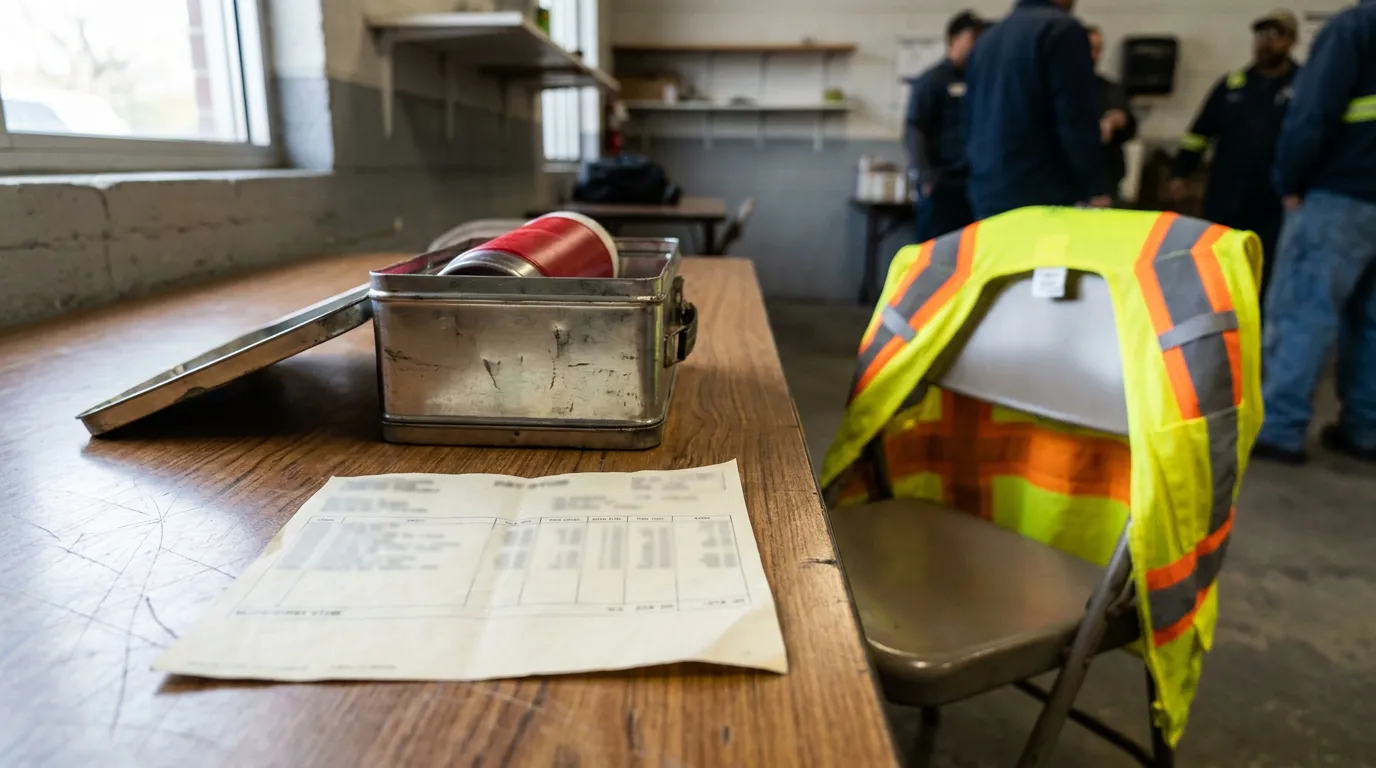
How New York Labor Law Overtime Rules Work
The default overtime rule in New York is straightforward, but details depend on your job and classification. Overtime is calculated on a workweek basis, and the premium applies to hours worked beyond the weekly limit. According to the New York Attorney General, overtime pay applies after 40 hours in one work week at one and a half times your regular rate of pay. You can review the state’s summary of these protections on the New York Attorney General’s workers’ rights and wages page.
Not every worker shares the same 40-hour threshold. Certain categories follow different rules under state law. The number of hours is different for farm workers and live-in domestic workers. If you fall into one of these groups, your overtime entitlement may be calculated on a different schedule.
The Time and a Half Standard in Practice
Time and a half in New York means your overtime rate is tied to your regular rate of pay. For hourly employees, the calculation is often simple multiplication, but for salaried or commissioned workers, determining the regular rate can be more complex. Courts may consider how nondiscretionary bonuses, shift differentials, and other compensation factor into that regular rate.
Occupations New York Exempts From Overtime
New York carves out specific occupations from its overtime requirements. These exemptions are narrow and occupation-based, and they do not apply to every worker who shares a job title. New York exempts numerous specific occupations from overtime laws, including local delivery drivers, motion picture theater employees, livestock auction workers, and officers in small police departments. Even where a state exemption applies, some workers may still be entitled to overtime under the federal Fair Labor Standards Act. If your employer claims an exemption applies, confirm that your actual duties match the carve-out rather than accepting the label at face value.
Recovering Unpaid Overtime New York Workers Are Owed
When an employer fails to pay the overtime premium, New York provides an administrative pathway to recover those wages. The state’s Department of Labor enforces wage laws once a worker comes forward. The Department of Labor helps collect wages owed to workers who have not received the minimum wage, once they file a claim, and Labor Standards investigates claims for unpaid wages, withheld wages, and illegal deductions.
The recovery is not limited to the missing wages alone. New York Labor Law § 219(1) sets out what the Commissioner of Labor must order when a violation is found. When the Commissioner finds an employer failed to pay required wages, the order directs compliance and payment of wages due. Under that same provision, the order must direct payment of unpaid wages plus liquidated damages equal to 100 percent of the unpaid wages and interest from the date of underpayment, meaning workers can recover roughly double their unpaid overtime plus interest. You can read the statutory text in New York Labor Law Section 219.
The administrative claim process is separate from filing a civil lawsuit. Filing a claim with the state agency is one route, while a civil action in court is another, and each has its own procedures. In a civil action under either Section 198 or 663 of the New York Labor Law, liquidated damages of 100 percent are also generally available unless the employer proves a good-faith basis for believing its pay practices complied with the law. The right path depends on your facts, the size of the claim, and whether you are pursuing an individual or class remedy. A knowledgeable wage and hour attorney can help you weigh those options.
💡 Pro Tip: Keep your own log of hours worked, including start and end times and unpaid work performed off the clock. Independent records can corroborate your pay stubs if a dispute arises.
Reading Your Pay Stub to Spot Overtime Violations
Your wage statement is one of the most useful tools for confirming whether you are being paid time and a half. New York Labor Law § 195(3) requires detailed information on every pay statement. For non-exempt employees, employers must give a wage statement with every payment showing both the regular and overtime rates of pay along with the number of regular hours and overtime hours worked.
Each pay stub must also identify the basis on which you are paid. Under Section 195(3), the statement must list the rate or rates of pay and basis thereof, whether paid by the hour, shift, day, week, salary, piece, commission, or other, along with gross wages and deductions. Upon request, an employer must furnish an explanation in writing of how wages were computed.
When reviewing your statements, watch for these common red flags:
Overtime hours paid at your regular rate instead of time and a half
Hours worked off the clock that never show up on the statement
A salaried classification that does not match the duties you actually perform
Missing or incomplete wage statements that omit required rate information
New York also sets minimum pay-frequency rules that are distinct from overtime. New York law requires manual workers to be paid at least weekly, while other employees must be paid at least semimonthly.
Exemptions, Classification, and Changing Pay
Whether you are entitled to overtime often hinges on whether you are properly classified as exempt or non-exempt. Misclassification is a frequent source of unpaid overtime. As one resource explains, you may be an exempt employee one week and non-exempt another week, and if you are misclassified as exempt, that might entitle you to back-pay for unpaid overtime. The distinction generally turns on your actual job duties and salary, not simply your title.
New York recently strengthened the salary thresholds tied to certain exemptions. Effective in March 2024, the New York Labor Law increased the salary threshold for exemptions from pay frequency laws for executive, administrative, and professional employees from $900 to $1,300 per week. These figures are distinct from the overtime exemption thresholds, which for 2024 were set at $1,200 per week for Nassau, Suffolk, and Westchester counties and New York City.
Can an Employer Cut Your Pay?
An employer generally can change the terms of an at-will, non-union job, but only on a going-forward basis. According to the Attorney General, an employer may change the conditions of employment, including salary, for at-will, non-union workers, but only going forward, not for time already worked, and must still pay at least minimum wage and any required overtime.
Protection Against Retaliation
The law protects workers who assert their overtime rights. It is against the law for your employer to retaliate against you for reporting violations. This protection applies whether you raise concerns internally or file a formal claim.
Worker Situation | General Overtime Treatment |
|---|---|
Most non-exempt employees | Time and a half after 40 hours per week |
Farm and live-in domestic workers | Different hour thresholds under state law |
Properly classified exempt employees | Generally not entitled to overtime premium |
Listed exempt occupations | Excluded from overtime by specific carve-out |
Frequently Asked Questions
How much overtime pay am I entitled to in New York (including localities like Melville, NY)?
Most employees are entitled to one and a half times their regular rate for hours over 40 in a workweek. The exact amount depends on your regular rate and compensation structure.
What can I recover if my employer did not pay overtime?
Beyond the missing wages, Labor Law § 219(1) allows recovery of liquidated damages and interest. This can amount to roughly double the unpaid overtime plus interest.
Does filing a Department of Labor claim replace a lawsuit?
No, the administrative claim process is separate from a civil lawsuit. Each option has its own procedures, and the better route depends on your circumstances.
Can I be fired for reporting unpaid overtime?
Retaliation for reporting wage violations is prohibited under New York law. If your employer takes adverse action after you assert your rights, that conduct may give rise to a separate claim.
How do I know if I am misclassified as exempt?
Classification generally depends on your actual duties and salary, not your job title. Reviewing your specific role is often necessary.
Protecting Your Overtime Rights Going Forward
Understanding New York Labor Law overtime rules puts you in a stronger position to identify and address unpaid wages. The core principle is that most Melville workers earn time and a half after 40 hours, backed by wage-statement requirements under § 195(3) and recovery tools under § 219(1). Exemptions, classification questions, and the differences between administrative claims and civil suits mean that outcomes are fact-specific. For more educational resources on protecting your paycheck, our library covers topics relevant to workers pursuing an unpaid overtime New York claim.
If you believe you have been denied the overtime you earned, do not wait to evaluate your options. Reach out to Kessler Matura P.C. to discuss your rights with a team that focuses on employee-side wage and hour matters. Call us at 631-499-9100 or send a message through our online contact page to take the next step toward recovering what you may be owed.
